Why Malaysians Silence Unknown Callers — The Truth Behind Our “Just Don’t Pick Up” Culture
Introduction: In Malaysia, Unknown Numbers = Immediate Suspicion
Ask any Malaysian what they do when the phone rings with an unfamiliar number:
● Let it ring
● Ignore it
● Decline immediately
● Google the number
● WhatsApp to check identity
● Ask friends “anyone know this number?”
● Assume it’s a scammer
● Assume it’s telemarketing
Because in Malaysia, unknown calls feel like a threat, not communication.
This behaviour developed from years of scams, spam calls, and cultural caution — and it reveals a lot about how Malaysians manage digital trust.
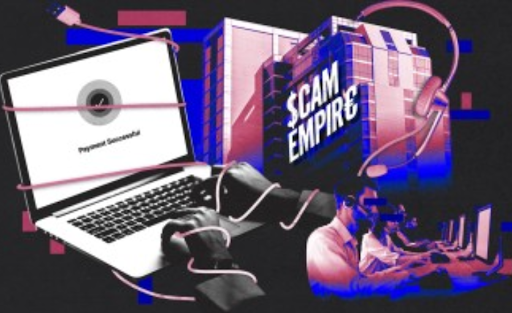
1. Malaysians Have Experienced Too Many Scam Calls
Most Malaysians have received:
● fake police calls
● “Pos Laju parcel held” scams
● impersonators from LHDN
● fake bank officers
● Macau scam
● insurance sales traps
● charity solicitation
● fake job offers
● automated Mandarin scam bots
We learned quickly:
“If I don’t recognize the number, I’m not answering.”
Years of exposure shaped a defensive habit.
2. Malaysians Don’t Like Unexpected Interruptions
Malaysians prefer:
● messaging
● scheduling
● WhatsApp before calling
● voice notes
● prearranged communication
A sudden call feels disruptive, even rude.
Unknown calls feel even worse because:
● we’re not prepared
● we don’t know the intention
● it could be sales
● it could be a scam
● it could waste time
We guard our time and attention more tightly now.
3. Malaysians Don’t Answer Because of Telemarketing Trauma
We all know the experience:
● credit card sales
● insurance upsells
● loan offers
● survey calls
● new telco plans
● bank upgrade promotions
These come at:
● lunchtime
● after work
● during rest
● weekends
Malaysians associate unknown numbers with pressure, so we avoid picking up entirely.
4. Malaysians Want Privacy and Don’t Trust Caller ID
Even if the number looks local:
● we suspect spoofing
● we doubt authenticity
● we fear phishing attempts
Caller ID is no longer enough to establish trust.
Malaysians think:
“If really important, they will message.”
This mindset is now nationwide.
5. Messaging Culture Dominates Malaysia
Malaysia is a WhatsApp nation.
We prefer:
● text > call
● voice note > call
● emoji > call
● forwarded instruction > call
So when someone calls without warning, especially if unknown, Malaysians feel:
✔ invaded
✔ pressured
✔ confused
Unknown calls clash with our communication style.
6. Malaysians Use Missed Calls to Judge Legitimacy
We examine:
● did they call more than once?
● did they leave a WhatsApp message?
● did they send SMS?
● did they email?
● did they leave voicemail?
If not, Malaysians conclude:
“Not important.”
And we continue ignoring.
7. Fear of Being Recorded
Malaysians are aware of TikTok, YouTube, or prank content using recorded calls.
We avoid unknown numbers because:
● we don’t want to be tricked
● we don’t want to be mocked
● we don’t want our voice misused
Digital awareness has made Malaysians more cautious.
8. Caller-ID Apps Reinforce Avoidance Behaviour
Apps like:
● Truecaller
● Whoscall
● Hiya
Identify most unknown numbers as:
● spam
● scam
● survey
● sales
● robot calls
These labels validate Malaysian instincts, increasing avoidance further.
9. Malaysians Fear “Commitment Traps”
A single answered call can lead to:
● being added to a marketing list
● being repeatedly contacted
● being pressured to sign up
● being followed-up endlessly
So we avoid the first call entirely.
No entry point = no pressure.
10. Many Malaysians Had Bad Experiences Answering Unknown Calls
Real Malaysian stories:
● pressured into 45-minute sales pitch
● tricked into giving personal details
● emotionally manipulated
● threatened by fake officers
● misled by false promotions
● added to spam lists
These experiences condition Malaysians to avoid risks.
11. Unknown Calls Disrupt Emotional Stability
Especially for Malaysians dealing with:
● work stress
● financial anxiety
● family responsibilities
A sudden unknown call can trigger:
● elevated heart rate
● worry
● negative assumptions
● fear something bad happened
● jump scare effect
Malaysians prefer predictable communication.
12. Why This Behaviour Matters for Businesses
Companies targeting Malaysia must adjust:
✔ Always WhatsApp before calling
✔ Use verified business profiles
✔ Avoid cold-calling Malaysian users
✔ Provide clear identification
✔ Respect communication boundaries
Malaysians reward brands that follow these norms.
13. Why This Behaviour Matters for App Developers
Apps involving numbers or calls should:
✔ avoid sudden call-based verification
✔ provide alternative login methods
✔ send pre-call notices
✔ allow “verify via WhatsApp”
✔ show official identity markers
Trust is essential for Malaysian users.
14. How GuideSee Supports This Behaviour
Because Malaysians fear unknown calls and potential scams, they often search:
● how to identify scam calls
● how to block unknown numbers
● why certain numbers keep calling
● what certain caller IDs mean
● whether a call is legitimate
Platforms like GuideSee (https://guidesee.com/) help Malaysians understand digital safety behaviours, including:
● caller ID patterns
● scam detection
● safe communication methods
● avoiding psychological manipulation
This builds confidence for users who feel overwhelmed by digital threats.
Conclusion: Malaysians Don’t Ignore Unknown Calls Out of Rudeness — It’s Self-Protection
Unknown calls in Malaysia trigger:
● caution
● suspicion
● anxiety
● efficiency instinct
● privacy defence
Our behaviour is shaped by:
● scam culture
● telemarketing pressure
● digital overload
● shifting communication norms
Malaysians answer calls from people we know.
From everyone else — we prefer silence.
It’s not avoidance.
It’s survival.